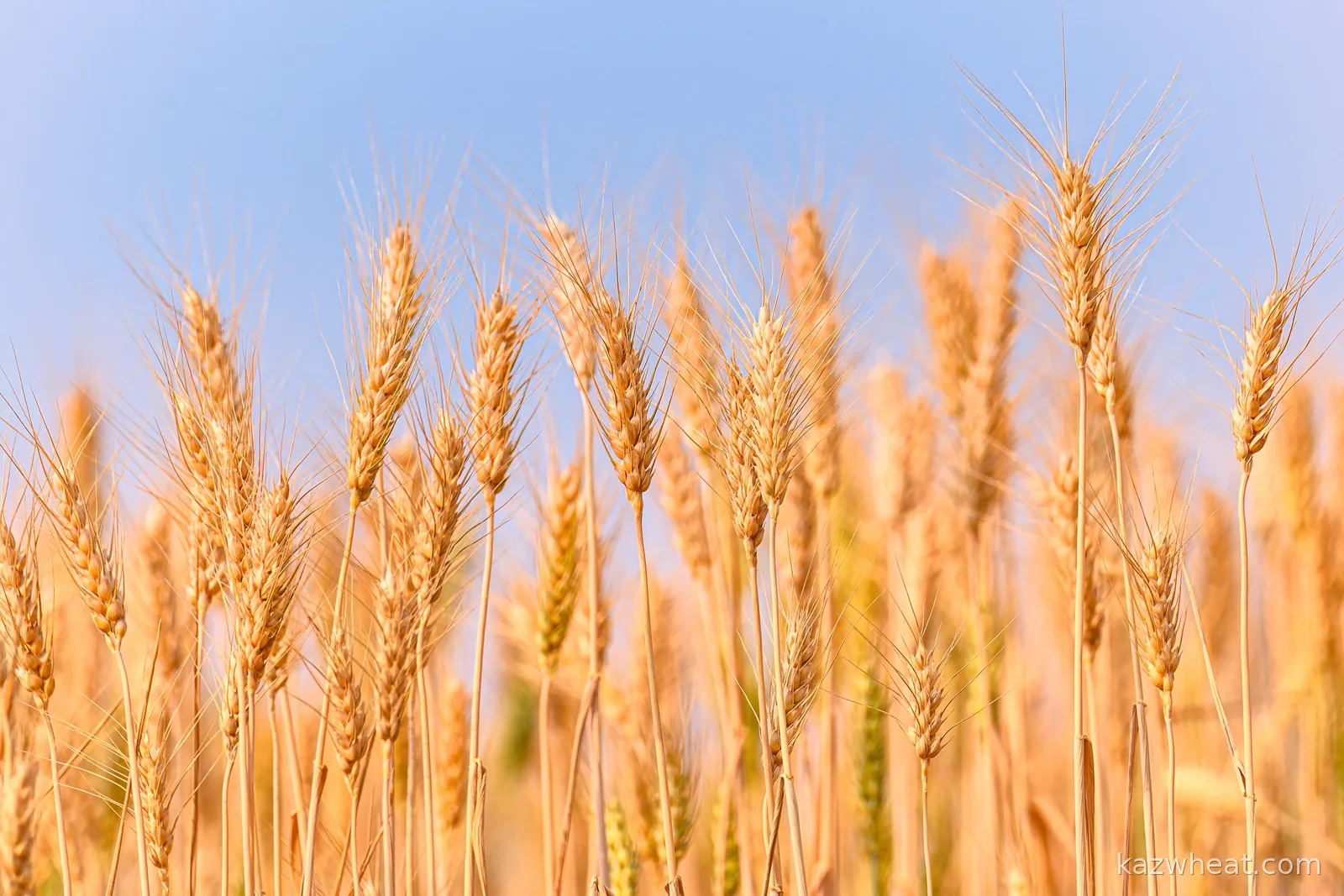
Most of the wheat Kazakhstan sells is bread wheat. A smaller part of the crop is durum, a different wheat with a different job. Bread wheat is milled into flour for loaves. Durum is milled into semolina for pasta, and the buyer judges it by other numbers.
If you buy durum, or you're deciding whether to, it helps to know what makes it different, where it comes from in Kazakhstan and which figures on a certificate matter to a pasta maker.
In short. Durum is a very hard wheat, with yellow grain and high protein, and it's bought for pasta. Kazakhstan harvested 795,000 tonnes of it in 2025, a small part of its wheat crop. A pasta maker looks first at vitreous kernels, protein, gluten strength, colour and sprout damage.
What durum is
Durum is its own wheat, not a grade of bread wheat. USDA's Economic Research Service lists it as one of five US wheat classes and puts its use in a single line: "Durum wheat is used in pasta production." Each class, the same page says, has "a somewhat different end use".
Hard, yellow and high in protein
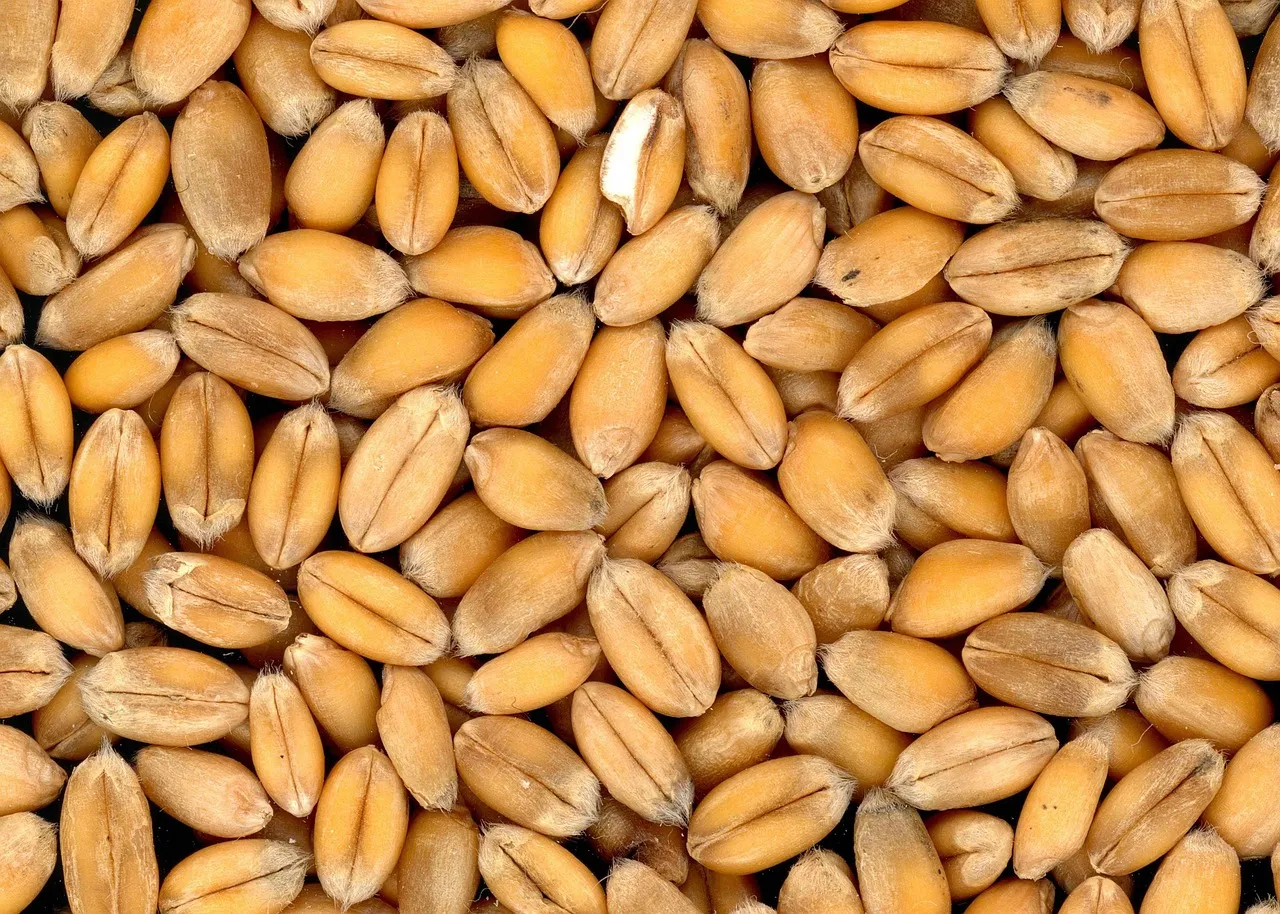
The U.S. Wheat Associates, the US export body, describes durum as "the hardest of all U.S. wheat classes", with "a rich amber color and high gluten content". It gives US durum a protein content of 12.0% to 15.0% (on a 12% moisture basis), with yellow endosperm and white bran.
You can see the hardness in the mill. In a Canadian Grain Commission study, flour milled from bread wheat (Canada Western Red Spring) had 6.8% starch damage. Durum came out at 14.9% to 18.4%. The author put it simply: "The very hard nature of durum wheat was clearly evident".
Semolina, not flour
That hardness is why durum is milled differently. A bread wheat mill aims for fine flour. A durum mill aims for semolina, a coarser, granular product, and as little fine flour as it can. U.S. Wheat Associates notes that durum's "large, very hard kernel" can give a high extraction of "low ash semolina that is ideal for fine pasta". Semolina is mixed with water, pressed through a die and dried. There's no yeast and no rising, so the gluten has a different job from the one it does in bread.
Durum and bread wheat side by side
| Durum | Bread wheat | |
|---|---|---|
| Main product | Semolina, for pasta | Flour, for bread |
| Kernel | Very hard, amber, yellow inside | Hard or soft, depending on class |
| Starch damage in milling (CGC samples) | 14.9% to 18.4% | 6.8% (Canada Western Red Spring) |
| What gluten does | Keeps cooked pasta firm | Holds gas so the loaf rises |
Sources: starch damage from the Canadian Grain Commission, 27 April 2008. Kernel description from U.S. Wheat Associates. For the bread wheat classes Kazakhstan grows, see our wheat page.
Where Kazakhstan grows durum
Durum is a small crop next to Kazakhstan's bread wheat. In 2025, by figures reported by UkrAgroConsult on 9 February 2026, the country harvested durum from 0.394 M ha, down 31% on the year before. The durum harvest fell 22% to 795,000 tonnes. Soft wheat, by contrast, came from 11.801 M ha and totalled 18.531 Mt.
| Kazakhstan | Durum | Soft (bread) wheat |
|---|---|---|
| Harvested area, 2025 | 0.394 M ha | 11.801 M ha |
| Harvest, 2025 | 795,000 t | 18.531 Mt |
| Harvest, 2022 | 833,000 t | 15.6 Mt |
Sources: 2025 figures, UkrAgroConsult citing GrainTrade, 9 February 2026. 2022 figures, Minister of Agriculture Aidarbek Saparov, quoted by The Times of Central Asia, 22 January 2024.
That puts durum at about 3% of the wheat area and about 4% of the wheat harvest in 2025. It's a specialist crop, and one that swings from year to year.
Kostanay and the north
Kostanay is one of the three northern regions that grow most of the country's wheat. In 2018 its deputy akim, Meirzhan Myrzaliyev, said a pasta joint venture was "very important for our region". According to the regional akimat, the region's harvest reached "about 183 thousand tons of durum wheat varieties with over 25% of gluten" a year, and the whole volume went abroad as raw grain. That's a 2018 figure, so treat it as a picture of the region's scale then, not a current number. You can see the northern grain belt on our growing regions map.
The north is a land of harsh winters and one short summer. USDA notes that in the similar climate of the US Northern Plains, winter wheat is limited and "spring or Durum varieties are favored". Our article on spring wheat and winter wheat in Kazakhstan explains how that season shapes the crop.
Where it goes
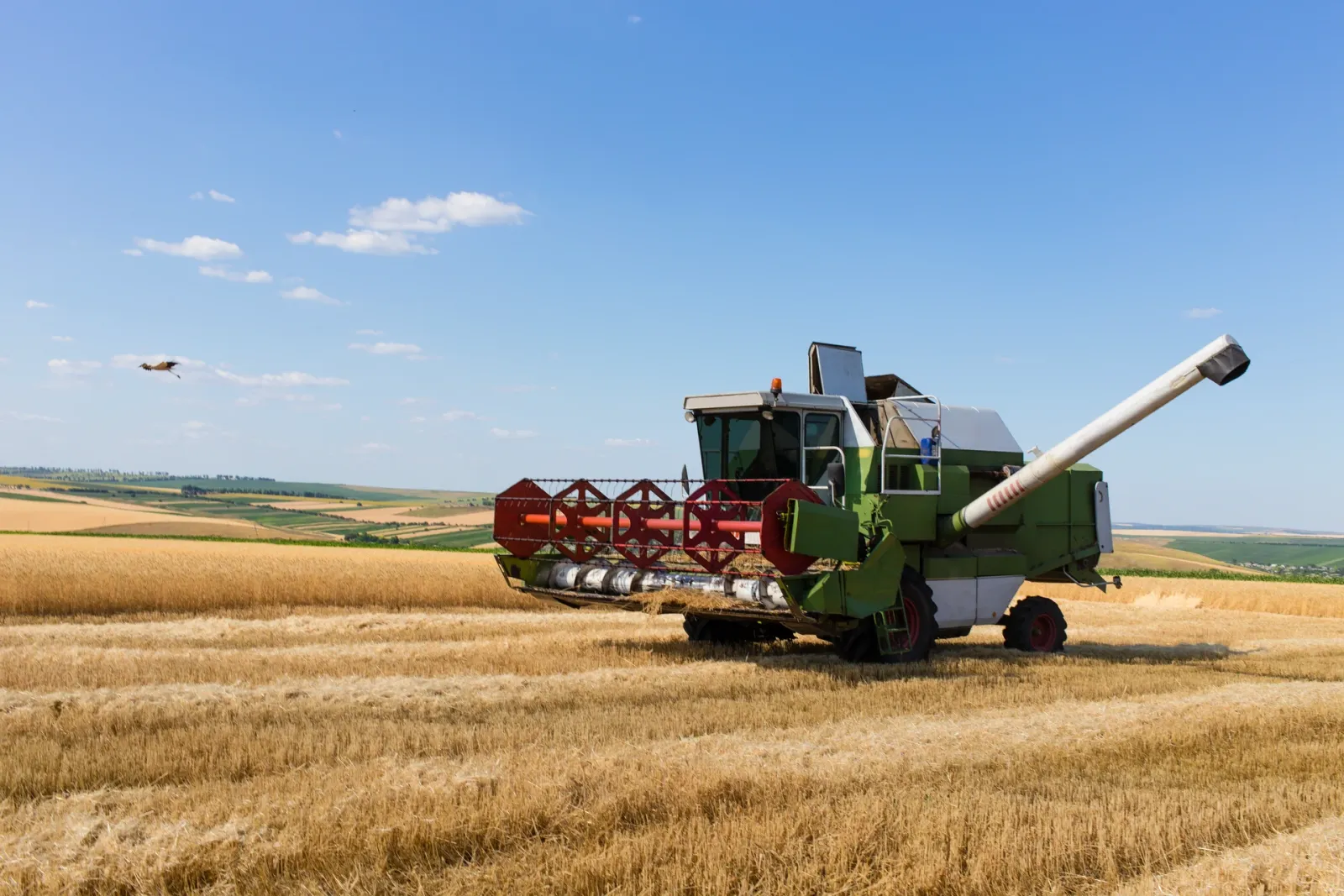
Much of Kazakhstan's durum leaves the country as grain. In 2022, Minister Saparov said, about 400,000 tonnes of the 833,000 tonne crop were exported to Italy. At home, The Times of Central Asia reported in January 2024, citing the Ministry of Agriculture, forty companies were making pasta, and the largest used durum as their raw material.
What a pasta maker looks for in a lot
A pasta maker buys durum for what it does in the press and the pot: semolina that mills cleanly, a bright yellow colour and pasta that stays firm when cooked. The Canadian Grain Commission puts the priority bluntly. Durum breeders there select lines "solely on the basis of pasta-making potential".
Vitreous kernels
Sound durum kernels look glassy. The Canadian grading guide defines vitreousness as "the natural translucence of a kernel that is a visible sign of kernel hardness". A kernel with a visible starchy (chalky) patch of any size doesn't count as vitreous, and nor do sprouted, fusarium-damaged or midge-damaged kernels. A lot with plenty of starchy kernels mills into less semolina and more flour.
Protein and gluten strength
Protein builds the structure of the pasta. Gluten strength decides how firm it is: the CGC notes that "stronger gluten is associated with firmer pasta texture", and that buyers measure it with gluten index and the alveograph. Strength matters less for pasta dried at high temperatures (60°C to 110°C) than for pasta dried slowly at low ones, but the CGC still calls it "an important durum wheat specification". Some pasta makers blend durum or semolina from several lots to keep strength consistent.
Colour
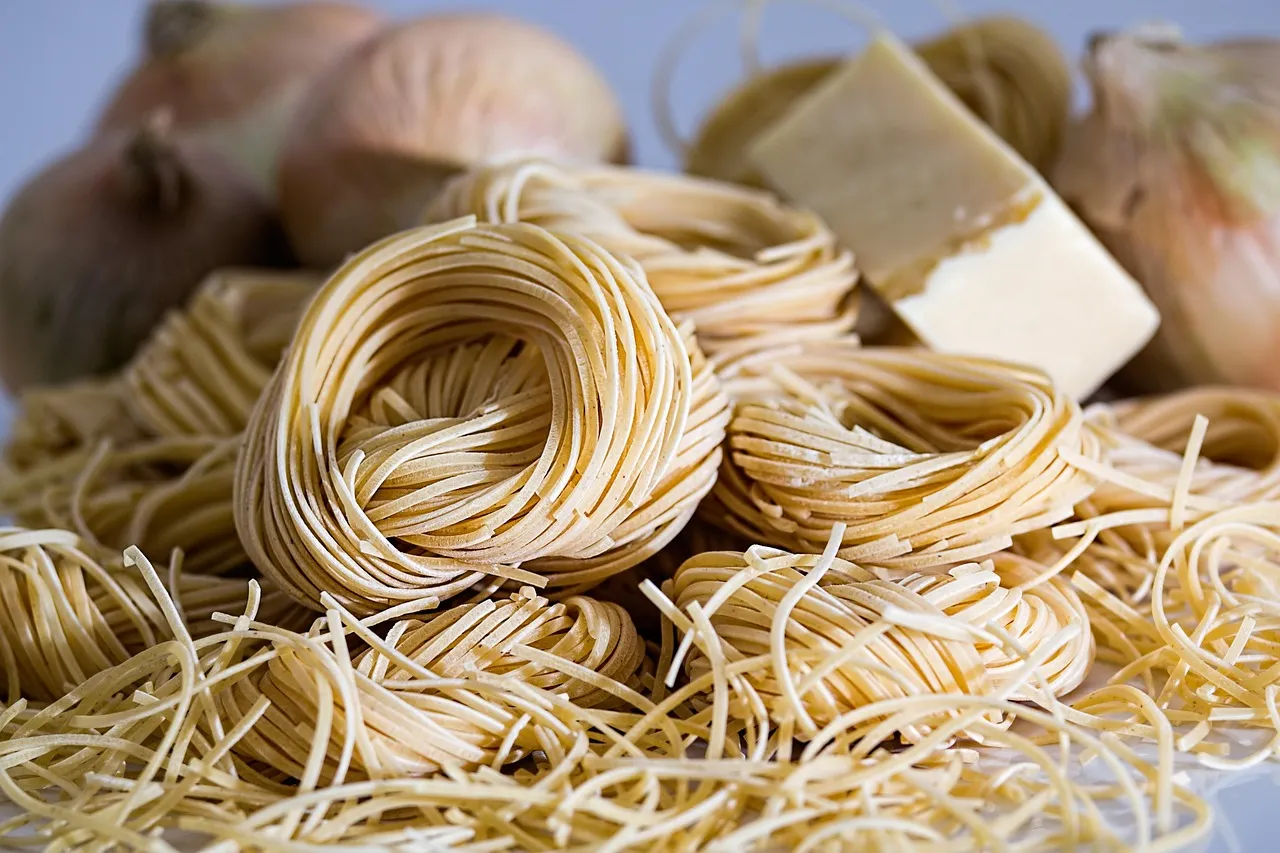
Pasta is sold on its looks. The CGC paper notes that modern pasta making "made color of increasing importance for premium pasta", and early Canadian breeding work focused on yellow pigment and brightness. A dull or brownish semolina makes a dull pasta, whatever its protein.
Soundness
Sprouting, fusarium and ergot all count against a lot. Canada's top durum grades show how tight the limits are.
| Grading factor | No. 1 CWAD | No. 2 CWAD |
|---|---|---|
| Hard vitreous kernels, minimum | 80% | 60% |
| Test weight, minimum | 79 kg/hL | 77 kg/hL |
| Sprouted, maximum | 1% | 2% |
| Severely sprouted, maximum | 0.2% | 0.4% |
| Fusarium damage, maximum | 0.5% | 0.5% |
| Ergot, maximum | 0.02% | 0.02% |
| Protein, minimum | 9.5% | No minimum |
Source: Canadian Grain Commission, Official Grain Grading Guide, Canada Western Amber Durum, 1 August 2026. These are Canadian grades, shown as a benchmark of what a strict buyer expects. Kazakh durum isn't graded under this system, so agree the figures you need in the contract.
Before you buy a lot
Durum contracts live or die on the details. Put these on the contract and check them on the quality certificate:
- Confirm the lot is durum, not bread wheat or a mix of the two
- Hard vitreous kernels, as a minimum percentage
- Protein, with the moisture basis it's measured on
- Gluten strength, with the method named (gluten index or alveograph)
- Sprouted kernels, or a falling number if that's how you measure sprout damage
- Fusarium damage and ergot limits
- Test weight and moisture
- Colour, if your pasta is sold on brightness
Don't buy on protein alone. A durum lot with good protein can still make poor pasta if it's starchy, sprouted or weak in gluten. Ask for vitreous kernels and gluten strength by name, and make sure the certificate reports them.
Supply is the other thing to watch. With durum on a few hundred thousand hectares, a poor year in one region moves the national crop a long way, as the 31% fall in area in 2025 showed. Our market page follows the current season.