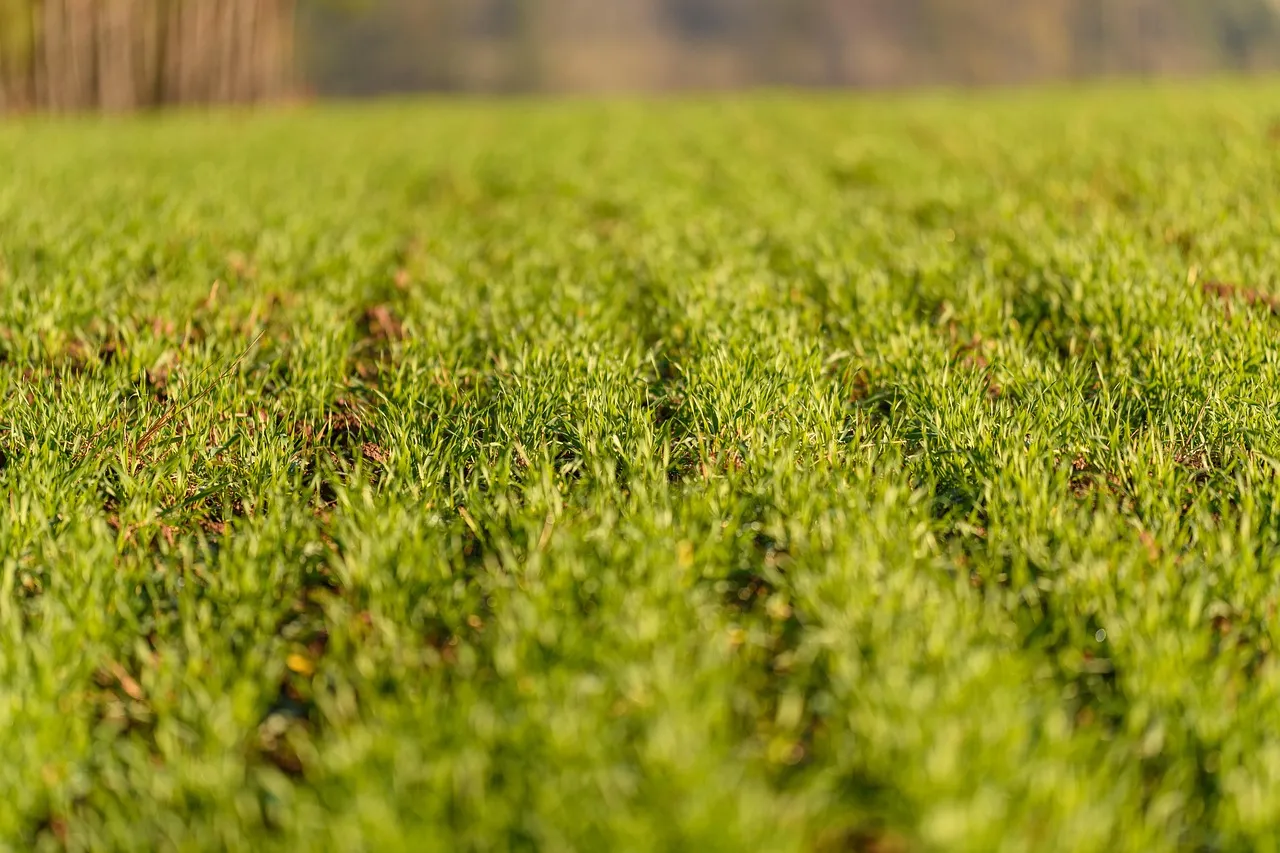
Wheat is named for the season it goes into the ground. Winter wheat is sown in autumn and spends the winter in the field as a small green plant. Spring wheat is sown once the ground thaws and grows from seed to harvest in a single summer. Both are bread wheat, but they live different lives, and that shows up in the grain you buy.
Kazakhstan sits firmly on one side of the line. USDA's analysts put it plainly in their 2016 report on Kazakh wheat: "Over 95 percent of Kazakhstan's wheat output is spring wheat."
In short. When you buy milling wheat from northern Kazakhstan, you're buying spring wheat sown from May and harvested from August. Winter wheat is a small crop grown mainly in the south and in West Kazakhstan, and it's harvested earlier.
What the two names mean
Winter wheat
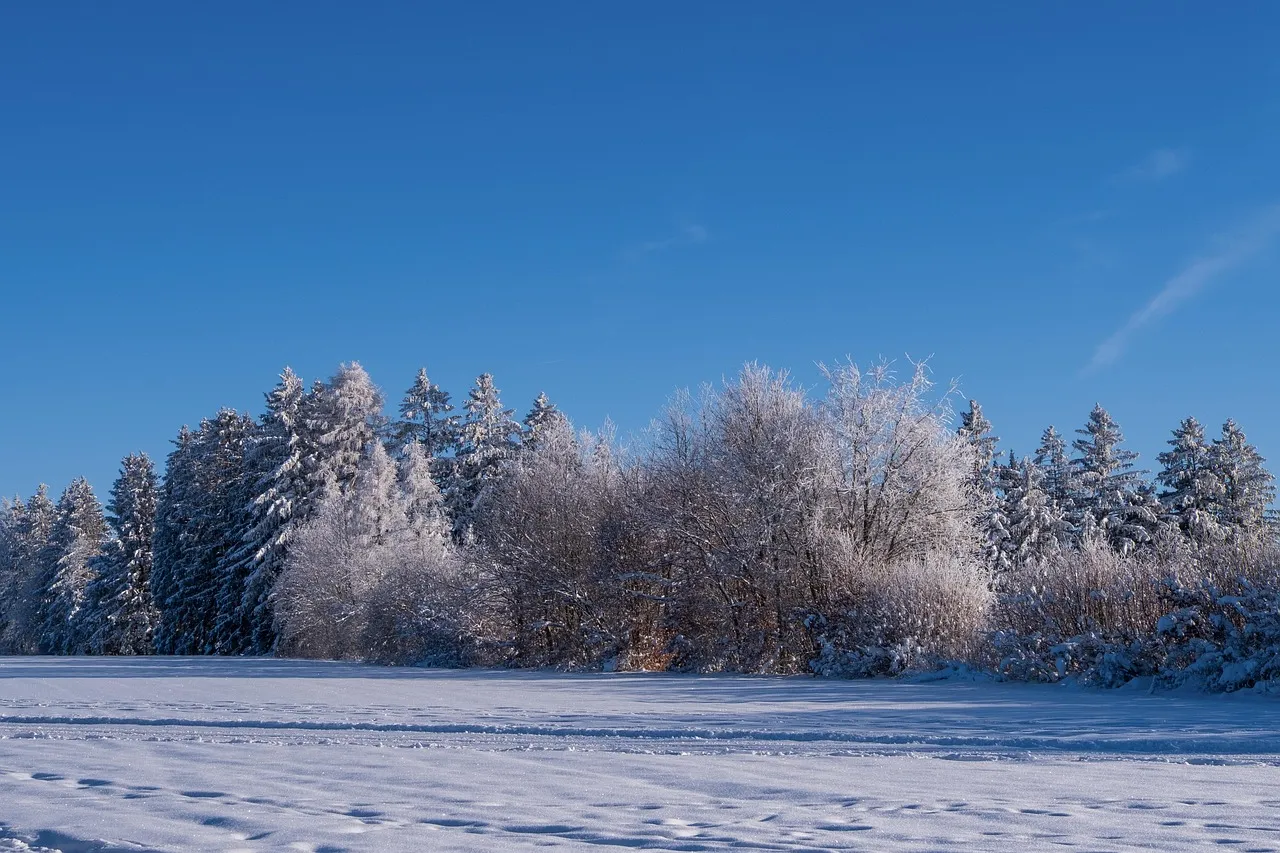
Winter wheat is sown in autumn. It germinates, puts down roots and grows a few leaves before the frost, then sits dormant until spring. It needs that cold spell: without it, the plant won't head properly. When the weather warms, it starts growing again from an established root system and ripens early in summer.
The risk is the winter itself. A blanket of snow insulates the young plants. Bitter cold on bare ground, ice crusts and repeated thaws and freezes can kill them, which farmers call winterkill. Where winter wheat survives, it usually yields more than spring wheat, because it has a longer season and uses autumn and early spring moisture.
Spring wheat
Spring wheat needs no cold period. It's sown when the soil has thawed and dried enough to work, grows through one short summer, and is harvested in late summer or early autumn. It never has to survive a winter, so it suits places where winters are too harsh for anything to live through in the open field.
Side by side
| Spring wheat | Winter wheat | |
|---|---|---|
| Sown | From May, in Kostanay and Akmola | October to November |
| Harvested | August to September | June to August |
| Where in Kazakhstan | The northern grain belt: Akmola, Kostanay, North Kazakhstan | Mainly Turkestan, Zhambyl and West Kazakhstan |
| Share of output | Over 95% | A small remainder |
| Main risk | Dry early summer | Winterkill |
Sowing and harvest windows: FAO GIEWS country brief, 12 March 2026. Share of output: USDA FAS, September 2016.
Why Kazakhstan grows spring wheat
The grain belt is a land of long, very cold winters and a short, dry summer. Winter wheat would have to survive months of frost, often with patchy snow cover, and too much of it would be lost. Spring wheat skips the winter altogether.
The summer is short as well as dry. The grain belt gets about 350 to 450 mm of rain a year, and 55 to 60% of it falls between April and August, according to a 2026 review in Agriculture (MDPI). The same review notes drought in about two years in five. A spring crop sown into soil still moist from snowmelt is built to use that one window.
The sowing window
Farmers wait for the steppe to thaw and dry before they can drill. FAO expected planting of the 2026 spring wheat crop "to begin in May in the main producing regions of Kostanay and Akmola", with harvest between August and September. Those two regions, with North Kazakhstan, hold about four fifths of the country's wheat area, which is why the national calendar is really the calendar of the north. You can see them on our growing regions map.
That window is tight. Sow too early and the seed sits in cold ground. Sow too late and the crop flowers in the heat of July or ripens into the autumn rains. A late spring, as in 2026, squeezes the season from both ends, which is one reason Kazakh harvests swing so much from year to year. Our market page follows how that played out this season.
Where winter wheat does matter
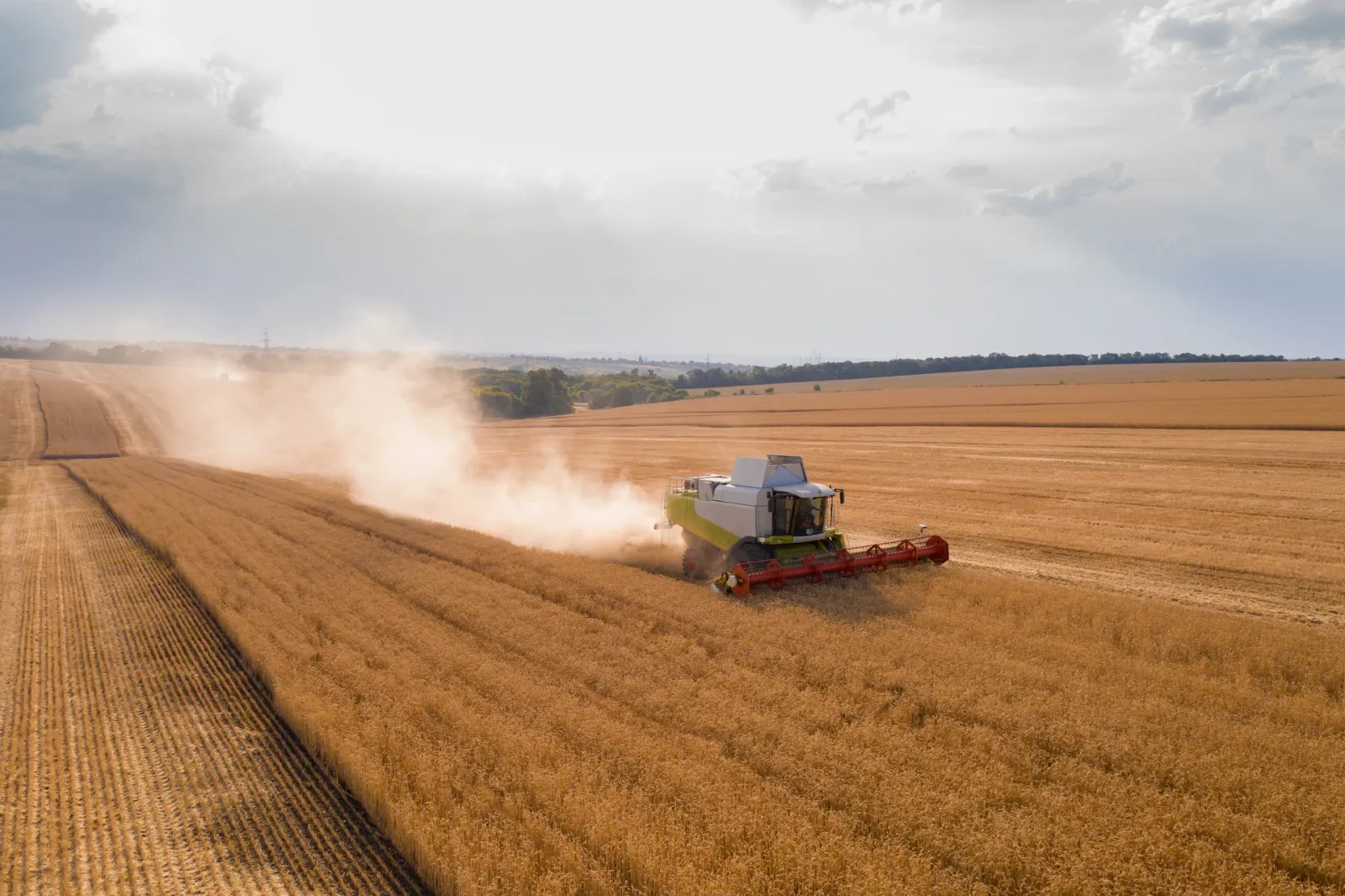
Winter wheat isn't absent, it's just regional. FAO names Turkestan, Zhambyl and West Kazakhstan as the main producers of what it calls the "minor winter wheat crop". The south has milder winters than the grain belt, and West Kazakhstan sits on the far western edge of the country.
West Kazakhstan in numbers
In the autumn of 2024, farmers in West Kazakhstan sowed 91,500 ha of winter cereals, according to the Ministry of Agriculture as reported by Trend on 7 April 2025. Of that, 83,900 ha was winter wheat, 6,700 ha rye and 900 ha triticale.
Spring sowing is still bigger, even there. The regional government reported 205,300 ha of spring cereals sown in 2025. For comparison, satellites picked up between 2.2 and 3.7 M ha of wheat in each of the three northern regions in 2024, so the whole of West Kazakhstan's winter wheat is a very small part of the national crop.
- 91,500 ha of winter cereals sown in West Kazakhstan, autumn 2024
- 83,900 ha of that was winter wheat
- 205,300 ha of spring cereals sown in the same region in 2025
Winter crops came through the 2025/26 winter in generally good condition, with losses of 2 to 9% in some areas, FAO reported in March 2026.
What it means for a miller
For most buyers, "Kazakh wheat" means spring wheat from the north. Spring wheat grown in a short, dry season generally carries more protein and stronger gluten than winter wheat grown in the same country. That's the kind of grain millers use for bread flour and for blending up weaker wheat. Our wheat page covers the classes in more detail.
Timing your purchases
The crop calendar tells you when grain is fresh. Winter wheat from the south can be cut from June. The main spring crop isn't harvested until August and September, so new-crop northern wheat comes on to the market in the autumn. Weather news from May to July, when the spring crop is sown and fills its grain, is the news that moves the size of the harvest. Kazhydromet's final yield forecast for 2026, published on 13 August 2026, expected spring wheat yields around the average in the main regions.
Ask the right question
Origin alone doesn't tell you which wheat you're getting. If you're buying from a southern or western shipper, ask whether the lot is spring or winter wheat, and check the protein, gluten and falling number on the quality certificate rather than relying on the country name. The two kinds can mill and bake differently, even from the same country and the same year.
Check the class. Write spring or winter wheat into your contract along with the quality figures you need. "Kazakh wheat" is nearly always spring wheat, but nearly always isn't always.